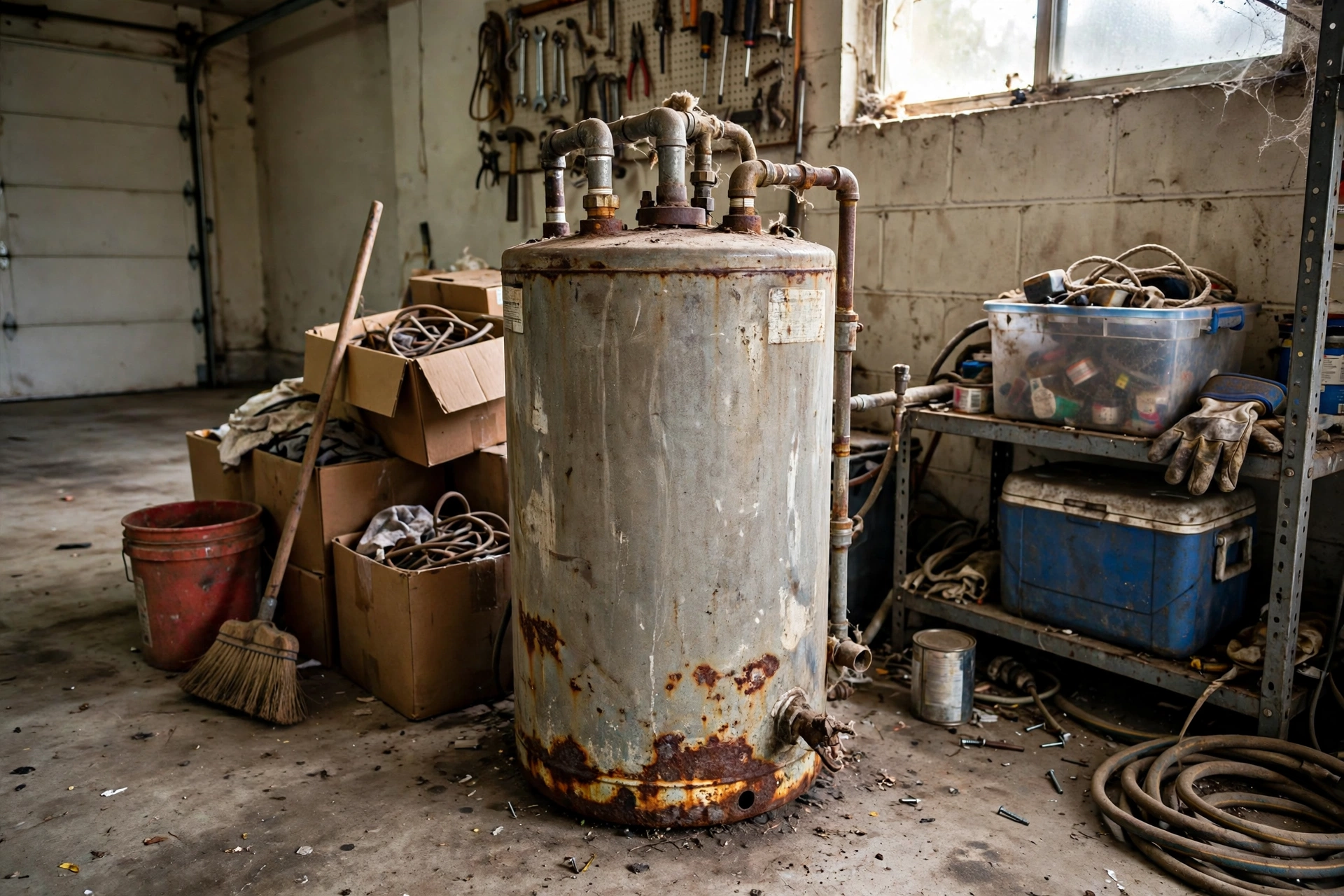
How Long Does a Water Heater Last in Midland, TX?
A standard tank water heater in Midland typically lasts 8 to 12 years, while a tankless unit can run 15 to 20 …
Learn moreMidland is known for heat, but every few winters a cold snap drops temperatures into the teens and stays there. Pipes that have never frozen in five mild winters can burst in one bad night, and water heater connections in garages and exterior walls are among the most exposed.
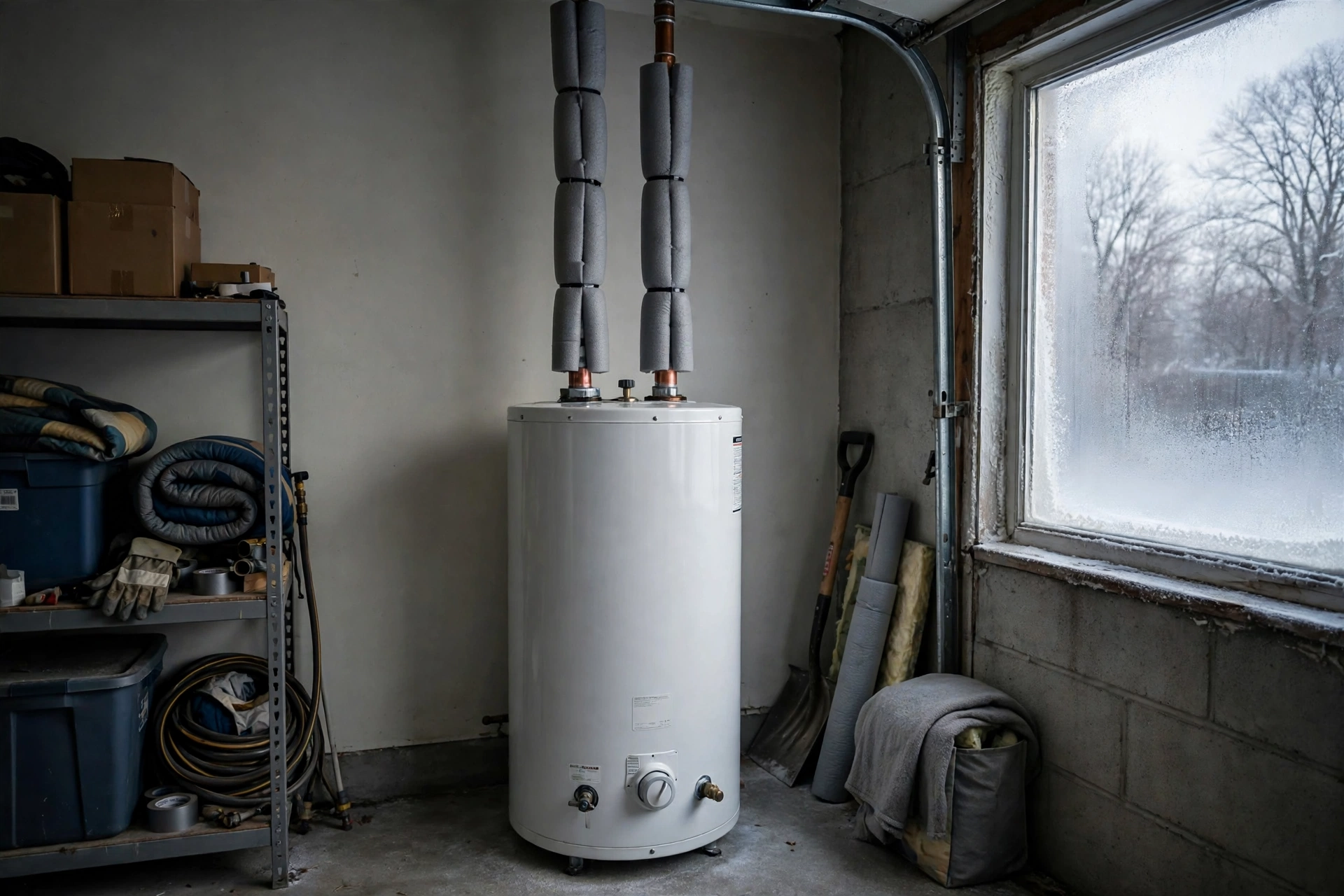
This guide covers practical freeze protection for both tank and tankless water heaters: insulation, heat, water movement, and what to do if a freeze is forecast tonight. If your system already took freeze damage, our water heater repair team handles burst pipe repairs.
The February 2021 freeze taught Texas a hard lesson about preparation, and Midland was not spared. Homes that had insulated pipes and a plan came through fine, while unprepared ones dealt with bursts. The checklist below is built from what actually worked during that event and every cold snap since.
Even renters benefit from this guide. If you rent in Midland, you can still drip faucets, open cabinets, and insulate exposed pipes with landlord permission, and you should know where the main water shutoff is. A burst pipe is the landlord's repair, but the water damage to your belongings is your problem.
The highest risk spots are water heaters in unheated garages, exterior-wall closets, and any unit with piping running through unconditioned space. Tankless units mounted on outside walls are especially exposed since they hold only a small amount of water that freezes fast.
Indoor tanks in conditioned closets are the safest, but their inlet and outlet pipes can still freeze where they pass through cold walls or attics. Walk your pipe runs before winter and note every exposed section.
Attic runs deserve special attention. Pipes routed through attics sit in the coldest part of the house, and a hard freeze with wind can drop attic temperatures far below the thermostat setting. If your water heater feeds bathrooms through the attic, those runs are your freeze weak point and should be first in line for insulation.

Foam pipe insulation on hot and cold lines is the cheapest freeze defense available. Cover every exposed inch, especially elbows and fittings where insulation often gets skipped. For the most vulnerable runs, heat tape with a built-in thermostat adds active protection.
Insulate the temperature and pressure relief valve discharge pipe too if it runs to an exterior wall. A frozen discharge line can block the valve, which is a safety issue beyond the freeze itself.
A water heater blanket on the tank itself helps in unheated garages, but check the manual first. Some manufacturers restrict blankets on newer high-efficiency models, and on gas units the blanket must never cover the top, the burner access, or the controls. When in doubt, insulate the pipes generously and leave the tank jacket alone.
When temperatures drop into the teens, let faucets drip, including the hot side served by the water heater. Moving water resists freezing far better than standing water, and the small water cost beats a burst pipe.
Open cabinet doors under sinks on exterior walls so warm house air reaches the pipes. For garage installations, keeping the garage door closed and a safe heat source running can keep the space above freezing.
Drip the faucet farthest from the water heater, since that keeps water moving through the longest run of pipe. A thin pencil-width stream is enough; a full stream wastes water without adding protection. On multi-story homes, drip one faucet per floor to protect each branch of the plumbing.
Most tankless units have built-in freeze protection that cycles the burner briefly to warm the heat exchanger, but it only works with power connected. During an outage in a freeze, that protection is gone.
Know how to drain your tankless unit if an extended outage hits during freezing weather. The owner's manual has the procedure, and our tankless descaling guide shows where the service valves are. A few minutes of draining beats a cracked heat exchanger.
Recirculation freeze protection kits are available for some tankless models. They periodically circulate water through the unit during freezing weather to prevent ice formation in the heat exchanger. If your unit supports one and it sits in an exposed location, the kit is cheap insurance against the coldest nights.
When temperatures rise, check every pipe connection at the water heater for drips before assuming all is well. Small freeze cracks can seep slowly and soak walls over days.
If you find no hot water after a freeze, a frozen pipe section may be blocking flow rather than a failed heater. Let it thaw naturally, never with an open flame, and call a professional if flow does not return. Our emergency water heater repair page covers urgent freeze damage.
Run a full function test once everything thaws: hot water at every tap, no drips at the heater connections, and normal burner or element cycling. Freeze damage sometimes shows up as a slow weep at a fitting rather than an obvious burst, and catching it during the test beats discovering it from a water stain a week later.
 Want Water Heater Guidance for Your Home?
Read the guide, then describe your water heater problem and we will help arrange the next step.
The tank itself rarely freezes, but exposed pipes and tankless heat exchangers can freeze and burst during hard West Texas cold snaps.
Yes. Dripping both hot and cold keeps water moving through the heater connections and supply lines, which greatly reduces freeze risk.
No. Built-in freeze protection needs electricity. In an outage during freezing weather, draining the unit is the safe move.
Risk climbs below freezing and becomes serious in the teens, especially with wind and multi-day cold. Exposed pipes can freeze in the low 20s.
A standard tank water heater in Midland typically lasts 8 to 12 years, while a tankless unit can run 15 to 20 …
Learn more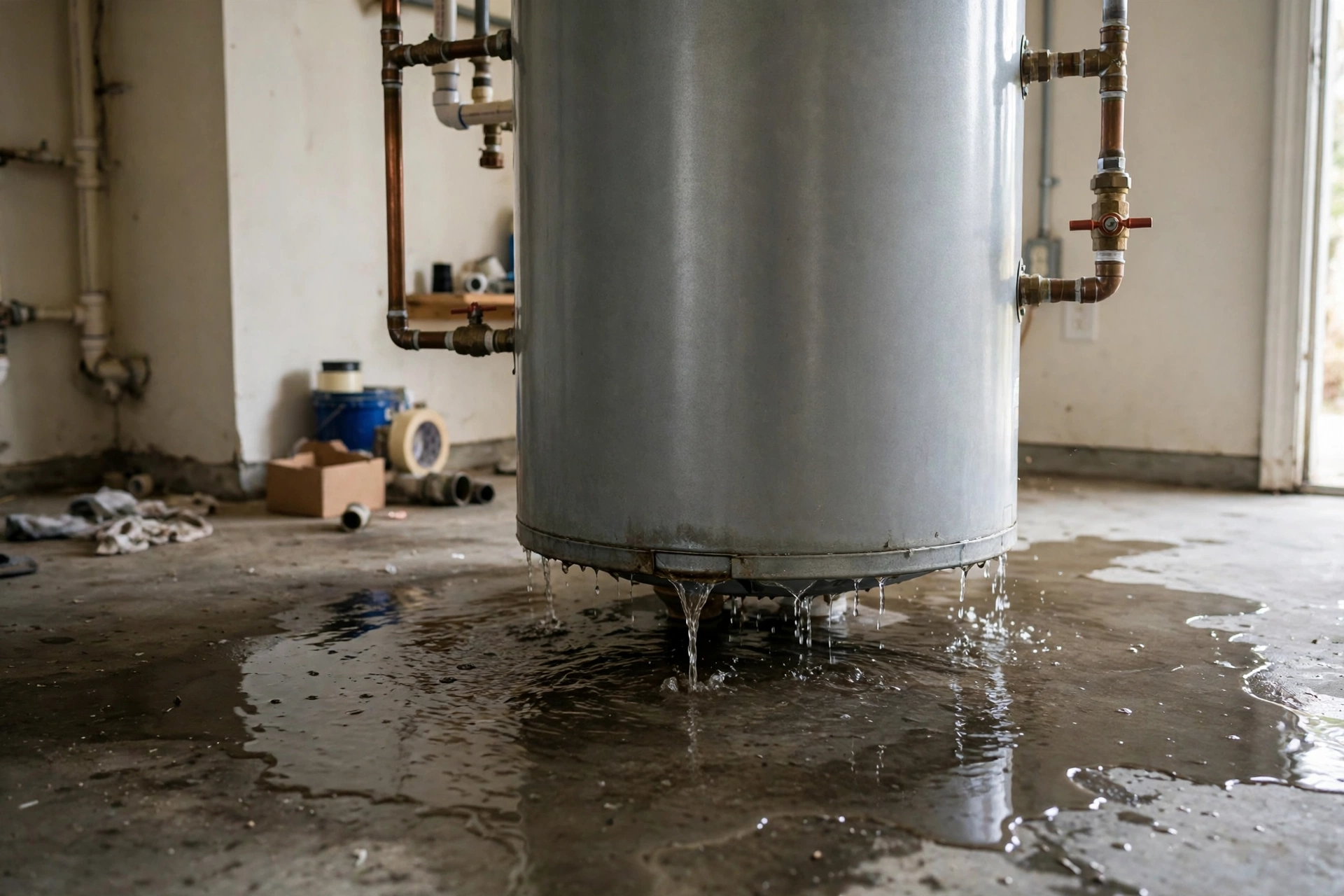
If your water heater is leaking, shut off the water supply to the tank, turn off power or gas, and drain it if…
Learn more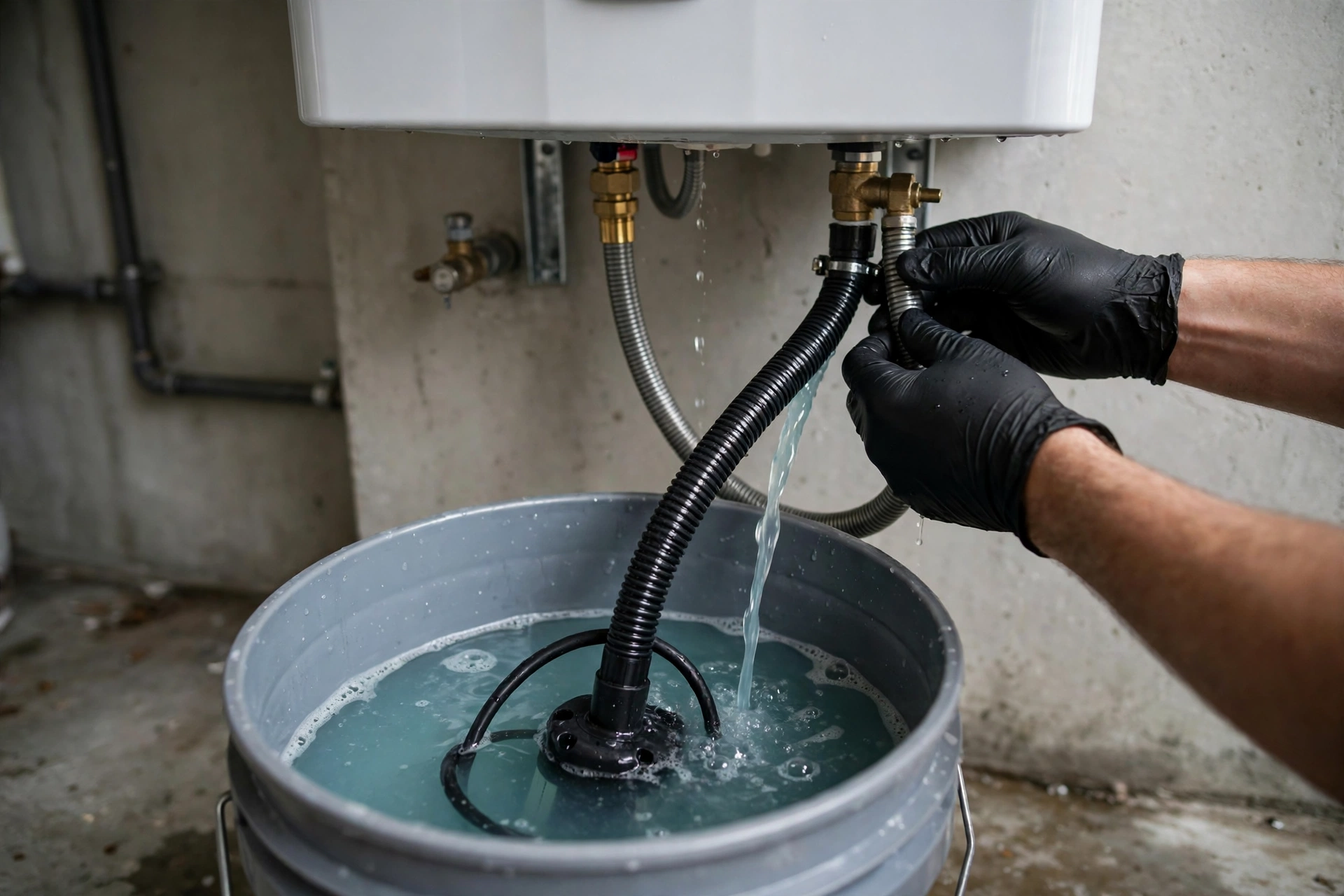
Descaling a tankless water heater means circulating a mild acid solution through the heat exchanger to dissolv…
Learn moreHot Water, HandledMidland winters bring occasional hard freezes that can burst exposed water heater pipes and damage tankless units. Insulating exposed piping, keeping garage units above freezing, and knowing how to drip faucets and shut off water are the core defenses. Our water heater maintenance page includes seasonal checks to add to your routine.