Water Heater Repair & Installation in Odessa
Odessa is Midland's sister city in every sense that matters for plumbing. The two cities sit about twenty miles apart on I-20, share the Permian Basin economy, and draw on similar water sources, which means Odessa homeowners face the same 15 to 25 grain hard water that chews through tanks in Midland. Scale buildup, sediment rumbling, and early anode rod failure are facts of life here, and a water heater that never gets flushed in Odessa is living on borrowed time by year eight.
Serving Odessa, TX 79761
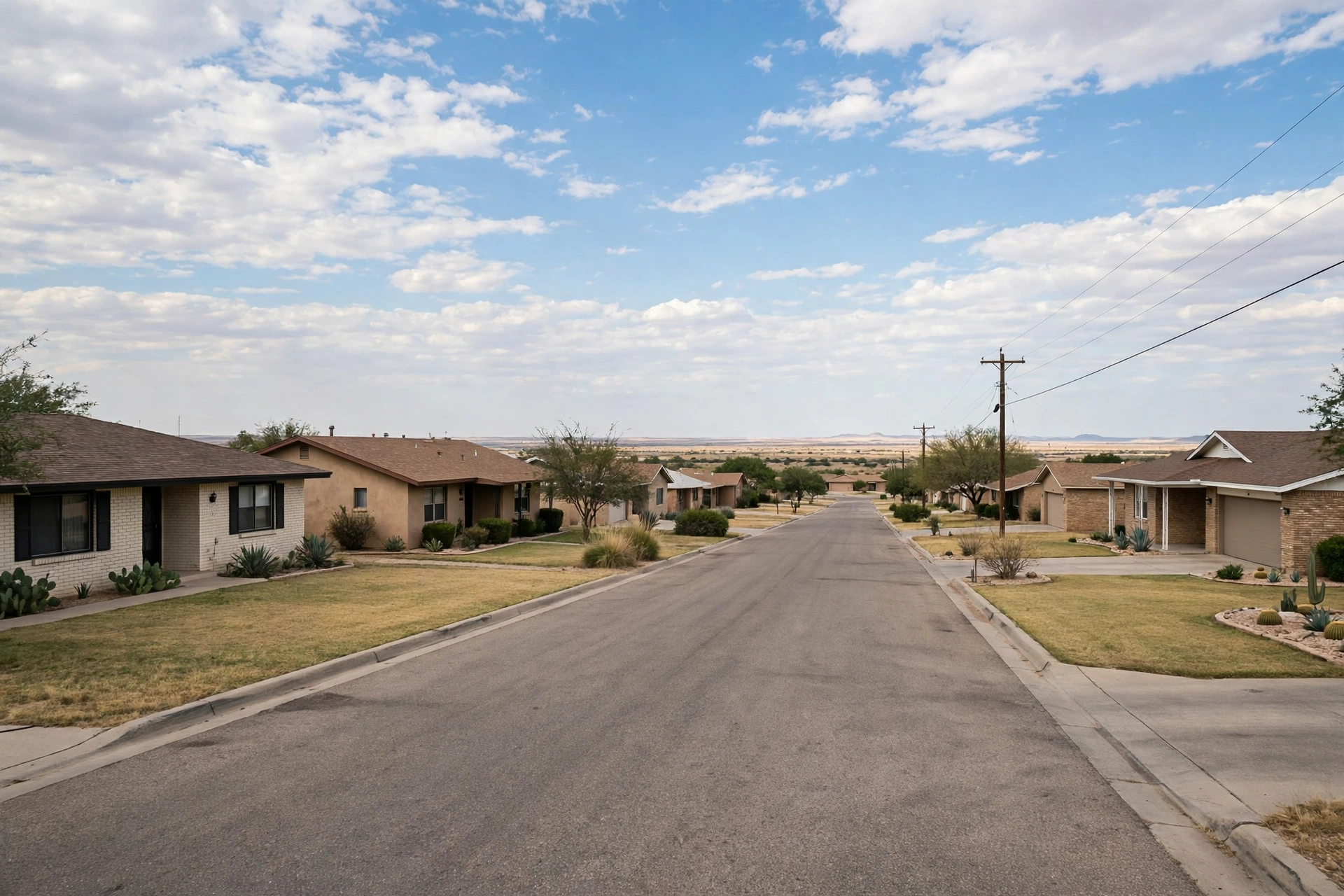
The city itself is Ector County's seat and the larger of the two Permian Basin hubs by population, with a housing mix that spans generations. Downtown Odessa and the neighborhoods around it hold mid-century homes with closet and utility-room installs, while the west side along West Loop 338 and the corridors toward West Odessa have seen steady newer construction with garage and attic units. The University of Texas Permian Basin campus and the Medical Center Hospital area anchor the central part of town, surrounded by residential streets where the housing stock ranges from 1950s brick to 2000s stucco.
Oil field life shapes Odessa households in a way that matters for hot water. Shift workers coming off long rotations, multi-generational homes, and rental properties serving the energy workforce all put heavier-than-average demand on a water heater. A 40-gallon tank that would cruise through a normal family's routine can run dry by the second shower in a house with four adults on staggered schedules. We size replacements for the household that actually lives there, not the one the builder imagined.
Odessa's weather mirrors Midland's: long, punishing summers with weeks above 100 degrees, dust that finds its way into every burner assembly, and winter cold snaps that test every exposed pipe. Garage installs are common in the newer subdivisions, and they need freeze protection for the occasional February freeze and proper ventilation for the August heat. Attic installs in two-story homes need the same drain pan discipline as anywhere in West Texas, because a leak discovered from a ceiling stain is always more expensive than a leak caught at the pan.
We serve all of Odessa, including downtown, the central neighborhoods around UTPB and the medical district, the west side along Loop 338, and the growing areas toward West Odessa. Whether your tank is rumbling, your pilot will not stay lit, or you are ready to switch to tankless, request service and we will get your hot water sorted.
One thing Odessa homeowners ask about often is water quality differences across town. The municipal system serves the whole city, but mineral content can vary by pressure zone and by how recently a given main was flushed or serviced. The practical upshot is the same everywhere in Odessa: assume very hard water, flush yearly, and watch the anode rod. If your fixtures scale up fast or your glassware spots no matter what you do, your home is on the harder end of the range and your tank needs the maintenance all the more.
Hard Water Hits Odessa Tanks Just as Hard
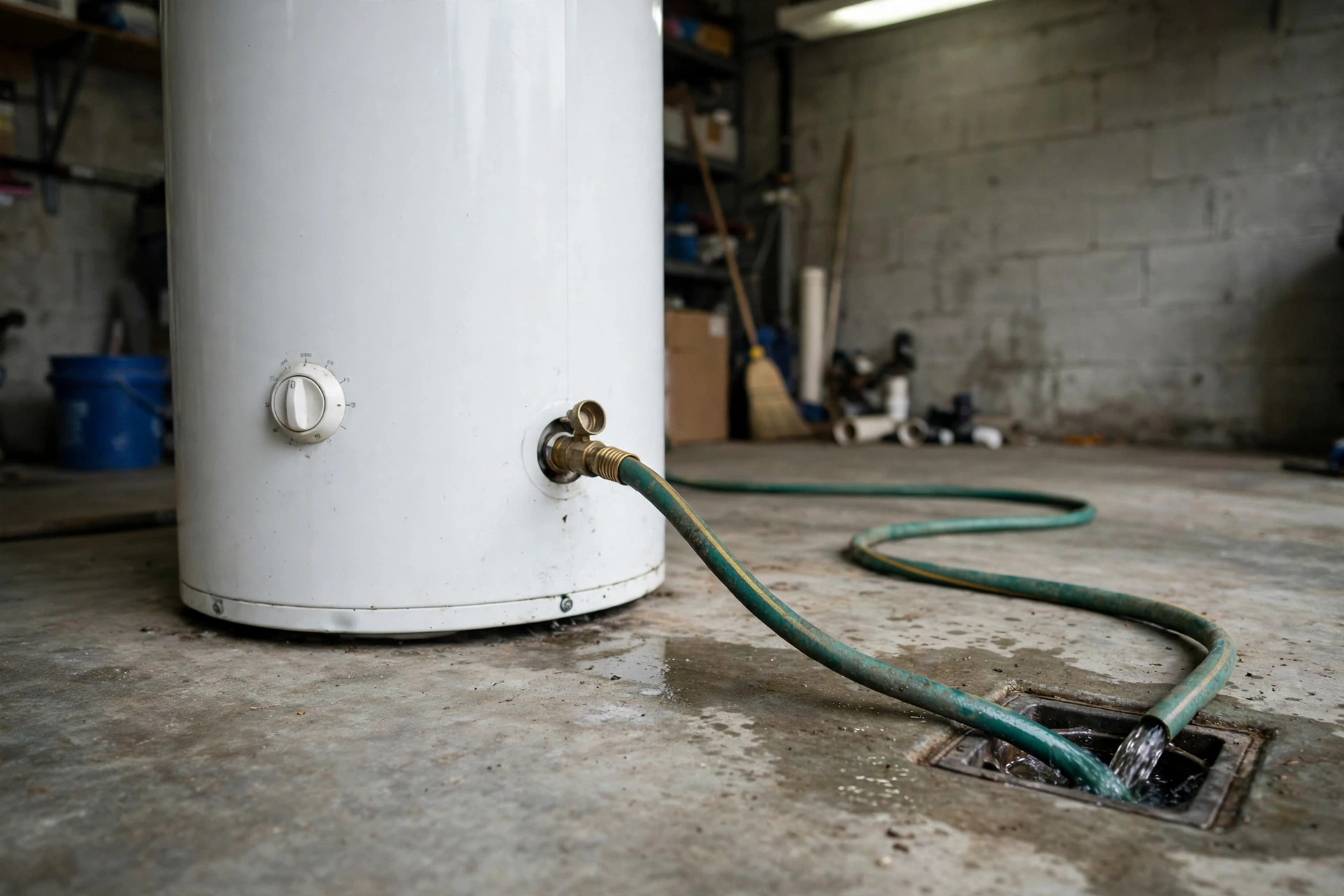
Odessa's municipal supply carries the same heavy mineral load as Midland's, routinely testing in the very hard range. Inside a tank, that means calcium and magnesium settling into sediment that insulates the burner, buries electric elements, and eats anode rods years ahead of schedule. Homeowners who skip flushing often meet us for the first time when the unit starts popping like popcorn or the hot water turns rusty.
The fix is maintenance, not magic. Annual flushing clears sediment before it hardens into scale, and checking the anode rod every couple of years catches the moment it is spent. For households that want to stop the problem at the source, a whole-home softener keeps minerals out of the tank entirely. We service all of it: flushing, anode replacement, element and thermostat work, and full replacements when the tank is done.
Odessa's summer heat adds a wrinkle most people do not expect. Incoming water arrives warmer in August, which means the tank cycles less and sediment gets longer to bake undisturbed between heatings. Come fall, when demand rises, the hardened layer is already in place. A late-summer flush is good timing in Odessa: it clears the season's accumulation before the heavy-use months arrive.
Related: water heater maintenance
Sizing Hot Water for Oil Field Schedules
A standard 40 or 50-gallon tank is sized for average use, and Odessa households are often anything but average. Energy workers on rotating shifts, extended families under one roof, and rental homes with high turnover all draw hot water in heavy bursts. When the tank cannot recover fast enough, the result is cold showers and a unit that runs constantly, which wears it out faster.
There are two honest solutions. A larger or higher-recovery tank buys more capacity for back-to-back showers, and it is the simpler, lower-cost path. A tankless system removes the capacity question entirely by heating water as it flows, which suits households with unpredictable schedules. We will ask about your household's actual routine and recommend the size or system that fits it, not the one that fits a generic chart.
Recirculation deserves a mention for larger Odessa homes. In a sprawling ranch or a two-story where the master bath sits far from the garage, the wait for hot water wastes gallons every morning. A recirculation pump on a timer keeps hot water at the tap during the hours you actually use it, and it pairs well with either a tank or a tankless system.
- Load calculations based on your household size and schedule
- High-recovery tank options for heavy-use homes
- Tankless systems for endless hot water on demand
- Recirculation pump options to cut wait times at distant taps
Older Homes Near Downtown and Central Odessa
The neighborhoods around downtown Odessa, the UTPB area, and the medical district include many homes built from the 1950s through the 1970s. Their water heaters often sit in utility rooms, small closets, or converted spaces that were never designed around modern code. Replacements in these homes usually involve more than swapping the tank: updating the gas line, adding a drain pan, correcting the relief valve discharge, and making sure combustion air meets current standards.
We do this work regularly and we do it without tearing the house apart. Most replacements in older Odessa homes finish in a single visit, and we walk you through every code item before we start so there are no surprises. If the existing setup has a quirk, like a vent run that is too long or a closet with no combustion air, we will explain the fix in plain language and price it before we touch a wrench.
Permit and inspection requirements apply in Odessa just as they do in Midland, and we handle that side of the job. Gas water heater replacements need proper permitting, and the finished install has to satisfy the inspector on venting, combustion air, and relief drainage. We build the permit into our process so the homeowner does not have to chase paperwork.
Related: tank water heater installation, water heater service in Midland
Garage Units on the West Side and Loop 338
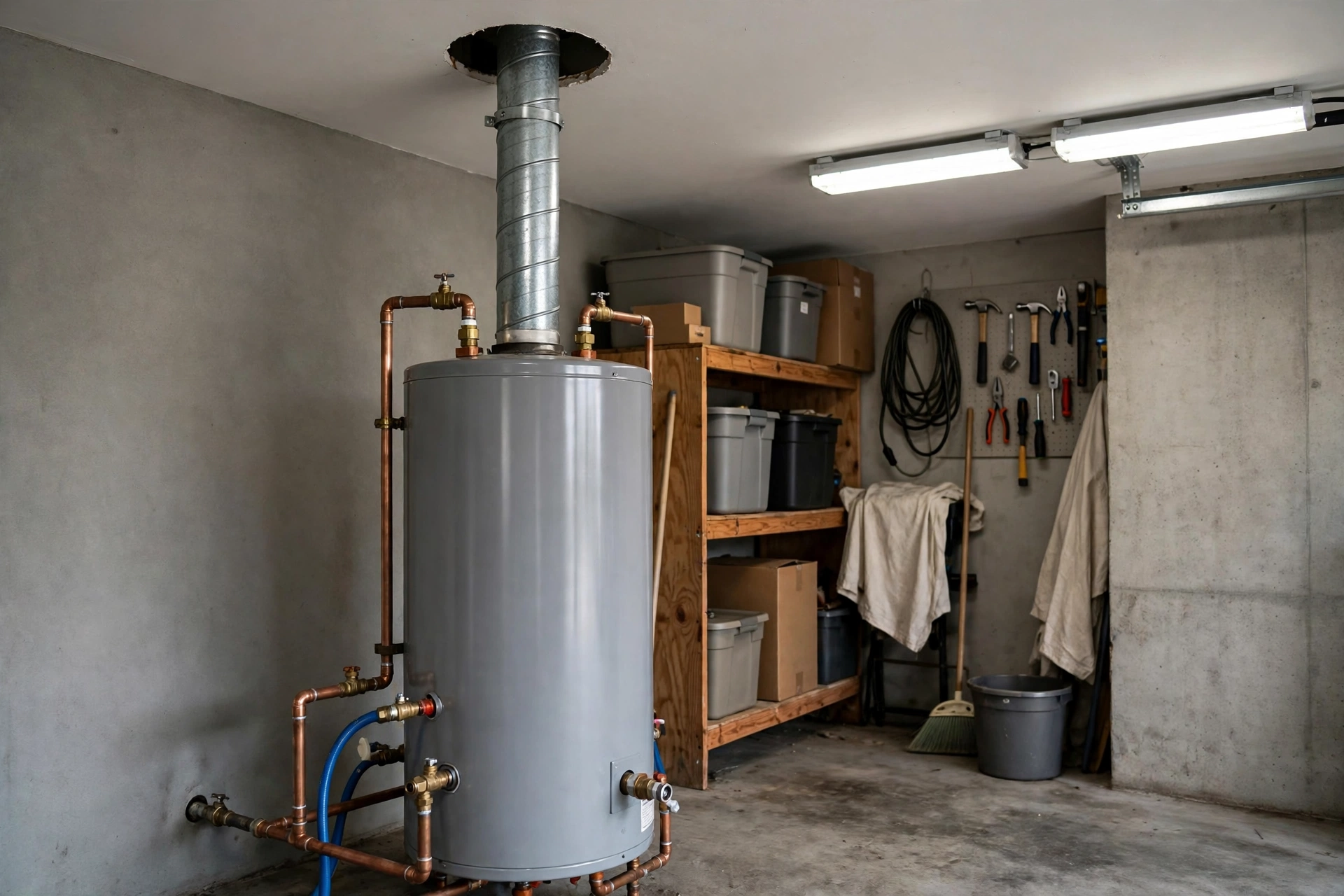
Newer Odessa construction, especially on the west side and along the Loop 338 corridor, tends to put the water heater in the garage. It is a practical location until winter reminds everyone that garages are not conditioned space. Exposed supply lines on a garage unit are the first pipes to freeze when temperatures plunge, and a split pipe can dump water across the garage floor before anyone notices.
We winterize garage installs with pipe insulation on exposed runs and we check the unit's location relative to the freeze line during service visits. Summer brings the opposite concern: garage heat soaks the tank and can shorten the life of controls and wiring. Proper installation clearances and ventilation handle both extremes, and we verify them on every replacement.
One more garage-specific tip: keep the area around the unit clear. We regularly find garage installs boxed in by storage, which blocks combustion air on gas units and traps heat around the controls. A couple of feet of clearance on all sides is the standard, and it makes service visits faster too.
- Pipe insulation for freeze-prone garage supply lines
- Ventilation and clearance checks on garage installs
- Drain pan installation where the garage shares a wall with living space
- Gas and electric safety checks during every service call
When Repair Stops Making Sense in Odessa
Not every failing water heater needs replacing, and we will tell you when a repair is the smarter move. A burned-out element, a bad thermostat, a faulty thermocouple, or a leaking relief valve are all straightforward fixes on a tank with years left in it. If your unit is under eight years old and the tank itself is sound, repair is usually the right call.
Replacement makes sense when the tank is rusting, the unit is past ten years in Odessa water, or you are stacking repair bills on a heater that cannot keep up with the household. We give you the age, the condition, and the math, and then the decision is yours. Either way, you will know exactly what you are paying for and why.
A final note on timing: the worst moment for a water heater to fail is during a cold snap, when every plumber in Ector County is booked solid with burst pipes. If your Odessa tank is past ten years and showing any of the warning signs above, replacing it on your schedule beats replacing it on the weather's schedule.
Related: water heater service in Midland, water heater service in Gardendale, water heater service in Stanton
 Water Heater Questions in Odessa?
Tell us what your unit is doing and where you are, and we will help arrange the next step.
Is Odessa water as hard on water heaters as Midland water?
Yes. Odessa draws on similar Permian Basin sources and the water tests in the same very hard range, typically 15 to 25 grains per gallon. Expect the same sediment buildup, scale, and shortened tank life, and the same need for annual flushing. If you have ever noticed white crust on faucets or a tank that started rumbling within a few years of installation, you have seen the hardness firsthand.
My household has four adults on different shifts. What size tank do I need?
It depends on your peak demand, but shift households often outgrow a standard 40-gallon tank. A 50-gallon high-recovery unit or a properly sized tankless system usually fits better. We will ask about your routine and size the system to it during the estimate. We also factor in laundry and dishwasher use, since those draw from the same tank, and we size for your busiest hour, not just your average day.
How often should I flush my water heater in Odessa?
Once a year at minimum. In Odessa's mineral-heavy water, sediment accumulates fast enough that skipping even one year can let it harden into scale that flushing will not fully remove. If you have a water softener, you can sometimes stretch to every 18 months, but most Odessa homes do not, so yearly remains the safe schedule.
Can you replace a water heater in an older home near downtown?
Yes. We regularly replace units in mid-century Odessa homes, including tight closet and utility room installs. We bring combustion air, venting, drain pans, and relief valve piping up to current code as part of the job. We also check the flue and the gas connector during these replacements, since both corrode over time in older homes, and replacing them with the unit is inexpensive insurance.
Do you service West Odessa and the Loop 338 area?
Yes, we cover all of Odessa including the west side, the Loop 338 corridor, central neighborhoods around UTPB and the medical district, and the areas toward West Odessa. Request service to schedule. Arrival windows are confirmed the same day, and our trucks carry the common tank sizes and parts so most jobs finish in a single visit.
Water Heater Questions in Odessa, Answered
Not seeing your question? Request service and tell us what your unit is doing.
Call (432) 321-0116
 Hot Water, Handled
Water Heater Repair in Odessa
Odessa shares Midland's Permian Basin water and its hard water headaches, with mineral levels that punish unmaintained tanks. We handle water heater repair, replacement, and tankless installation across Odessa and Ector County, from older homes near downtown to newer builds on the west side. Request service and get straight answers about repair versus replacement.